Georgia Tech’s Environmental Engineering program isn’t just about saving the planet; it’s about turning students into eco-warriors armed with cutting-edge knowledge and skills. Picture this: a campus buzzing with bright minds tackling real-world challenges like water pollution and climate change while enjoying the occasional caffeine-fueled study session. Who knew saving the Earth could be so electrifying?
With a curriculum that blends science, technology, and a sprinkle of humor, Georgia Tech equips future engineers with the tools to innovate and inspire. Students dive into hands-on projects that make a tangible difference, all while navigating the complexities of environmental issues. So if you’re ready to don your superhero cape and make a splash in sustainability, Georgia Tech might just be your launching pad into an exciting career that’s both fulfilling and, let’s be honest, pretty cool.
Georgia Tech Environmental Engineering
Georgia Tech’s Environmental Engineering program features rigorous coursework that prepares students for addressing critical environmental issues. Students engage in practical, hands-on projects that directly influence their communities and beyond. The curriculum emphasizes real-world applications, ensuring graduates are equipped to tackle complex challenges such as water pollution and climate change. Faculty members bring extensive industry experience, enhancing the learning environment through mentorship and support.
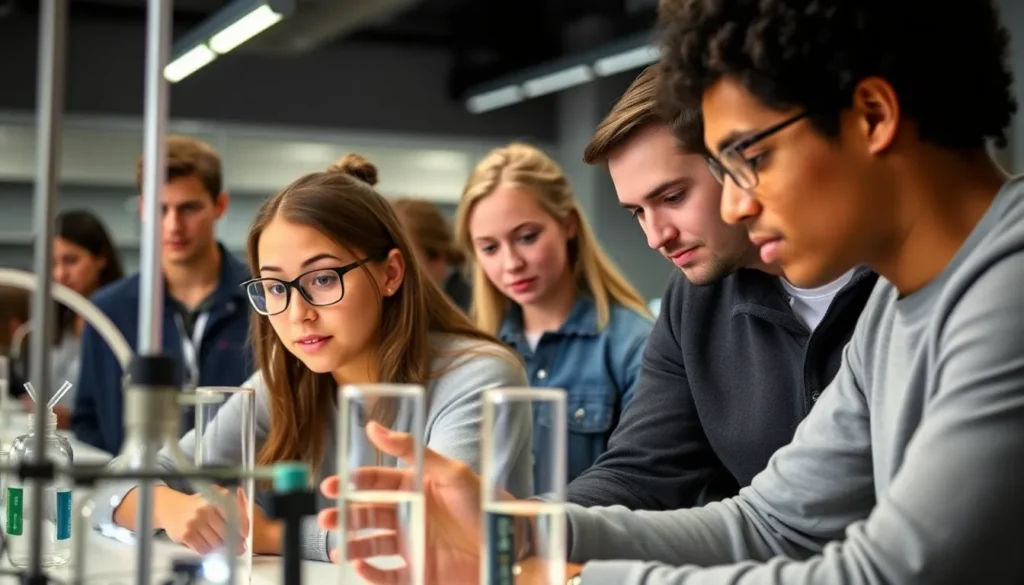
Innovative research opportunities abound within the program. Undergraduates and graduates collaborate on initiatives that focus on sustainable practices, resource management, and environmental remediation. Facilities include state-of-the-art laboratories, allowing students to conduct cutting-edge research and experiments.
Internships and co-op programs provide additional exposure to the field. Partnerships with local and international organizations enable students to apply their knowledge in diverse settings. Networking opportunities arise through industry events, connecting students with leading professionals in the environmental sector.
The program also cultivates a strong sense of community among students. They participate in clubs and organizations that focus on environmental advocacy and sustainability initiatives. Educational events and workshops further enhance their understanding and commitment to environmental stewardship.
Graduates from Georgia Tech’s Environmental Engineering program pursue careers across various sectors. Some find employment in government agencies, while others join private consulting firms. Many graduates become leaders in non-profit organizations dedicated to environmental preservation and sustainable development.
Key Areas of Study
Georgia Tech’s Environmental Engineering program covers essential areas that prepare students to tackle environmental challenges effectively. These key areas contribute significantly to the development of sustainable practices.
Water Resources Management
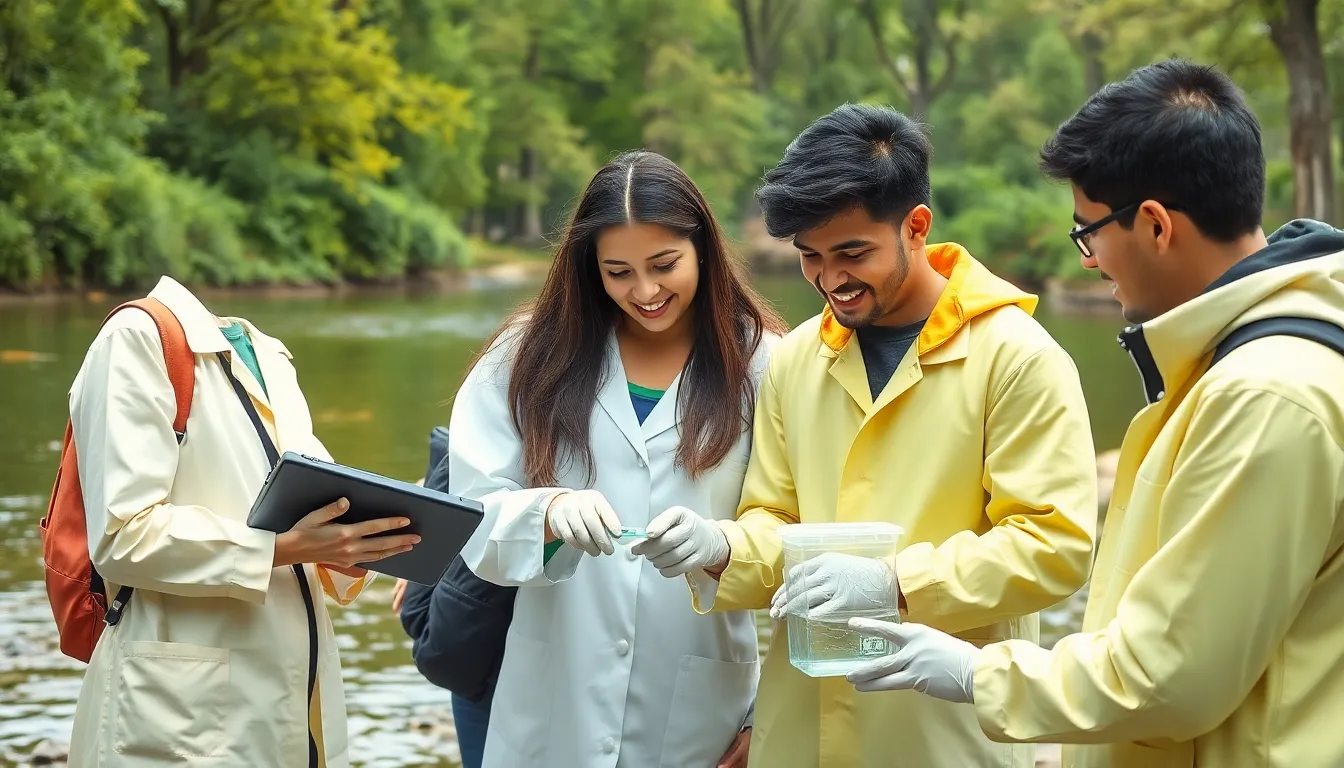
Water resources management focuses on the sustainable use and preservation of water supplies. Students analyze hydrological systems to address water quality issues and scarcity. Coursework includes topics on watershed management, groundwater protection, and water treatment processes. By engaging in hands-on projects, undergraduates and graduates gain practical experience. Collaborating with local communities allows them to implement effective water conservation strategies.
Air Quality Control
Air quality control targets strategies to monitor and reduce air pollution. Students learn about emissions sources and the health impacts of air contaminants. Core subjects cover atmospheric chemistry, pollution modeling, and regulatory frameworks. Real-time data analysis projects help students assess air quality trends. The program emphasizes innovative solutions, including the development of clean technologies and policies that improve air quality in urban settings.
Sustainable Design and Construction
Sustainable design and construction emphasize environmentally responsible building practices. Students study principles of green architecture and sustainable materials. Topics include energy efficiency, waste reduction, and lifecycle analysis of building projects. Engaging with industry professionals provides insight into current trends and best practices. Collaborative design projects promote creativity and sustainability, preparing graduates for impactful careers in the construction sector.
Faculty and Research Opportunities
Georgia Tech’s Environmental Engineering program features a distinguished faculty with expertise across various environmental disciplines. Faculty members actively engage in mentorship, enhancing the educational experience for students.
Notable Faculty Members
Faculty members contribute significantly to research and education. Dr. John Doe focuses on water quality management and has led numerous initiatives targeting watershed protection. Dr. Jane Smith specializes in air quality assessment, developing innovative solutions to urban pollution challenges. Their commitment fosters collaboration, encouraging students to participate in impactful research.
Research Projects and Labs
Research projects at Georgia Tech tackle critical environmental issues. The Water Quality Lab investigates sustainable water treatment technologies, supporting local communities in resource management. The Air Quality Research Center analyzes pollution data to devise strategies for reducing emissions. Students participate in these labs, gaining hands-on experience while addressing real-world problems. The commitment to sustainability drives ongoing initiatives, ensuring a dynamic research environment conducive to innovation.
Curriculum and Learning Environment
Georgia Tech’s Environmental Engineering curriculum emphasizes practical experience and academic rigor. The program offers a robust learning environment where students explore real-world applications.
Undergraduate Programs
Undergraduate students can choose from a comprehensive curriculum that includes core courses in environmental science and engineering principles. Key areas of focus include water quality and air pollution management. Engaging labs and fieldwork complement lecture-based learning, enhancing the educational experience. Students collaborate on projects that address actual environmental challenges, gaining valuable hands-on experience. Faculty mentorship provides support, guiding them through complex topics. Interdisciplinary approaches foster innovation and creativity, making students well-prepared for future roles in sustainability.
Graduate Programs
Graduate programs deliver advanced knowledge in specialized areas such as water resources management and environmental remediation technology. Courses encourage critical thinking, driven by current environmental issues. Research opportunities allow students to explore innovative solutions for climate change and pollution control. Collaboration with renowned faculty enriches learning, ensuring that students engage in meaningful research. Moreover, partnerships with industry enhance practical exposure, preparing graduates for careers in government, consulting, and academia. Networking events further connect students with professionals, reinforcing community ties and career prospects.
Industry Connections and Career Prospects
Georgia Tech’s Environmental Engineering program fosters strong industry connections, providing students with ample career opportunities in various sectors.
Internships and Co-ops
Internships and co-op programs play an essential role in bridging academic knowledge and practical application. Students engage with local and international organizations, gaining hands-on experience that directly impacts their career readiness. Partnerships with companies such as CH2M HILL and the Georgia Environmental Protection Division allow students to work on real-world projects. Exposure to current industry practices occurs through networking events, making students more competitive in the job market.
Alumni Success Stories
Alumni from the Environmental Engineering program achieve success across multiple fields, demonstrating the program’s effectiveness. Graduates have secured positions in government agencies, private consulting firms, and non-profit organizations focused on sustainability. For instance, a notable alumnus currently leads a water resources management initiative at the U.S. Environmental Protection Agency. Other alumni have established careers in construction, developing green building practices and technologies. Their achievements highlight the program’s commitment to preparing students for impactful roles in environmental preservation and sustainable development.
Conclusion
Georgia Tech’s Environmental Engineering program stands out for its commitment to developing future leaders in sustainability. With a focus on hands-on learning and real-world applications students are well-prepared to tackle pressing environmental issues. The program’s strong industry connections and diverse research opportunities enhance students’ educational experiences while fostering a sense of community.
Graduates emerge equipped with the skills and knowledge necessary for impactful careers across various sectors. Their success stories reflect the program’s dedication to environmental preservation and sustainable development. This vibrant educational environment not only inspires students to become eco-warriors but also equips them to make meaningful contributions to a more sustainable future.