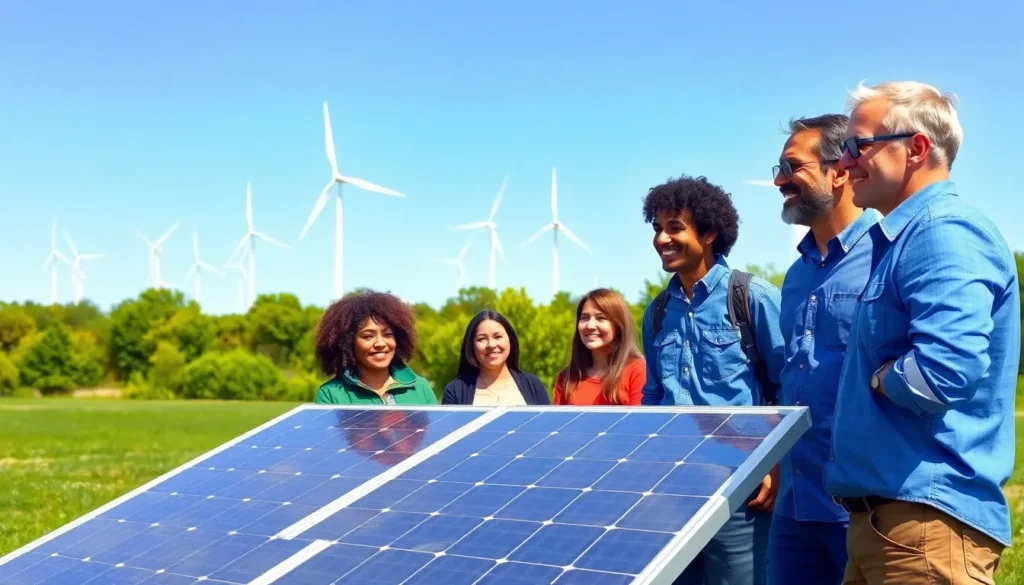
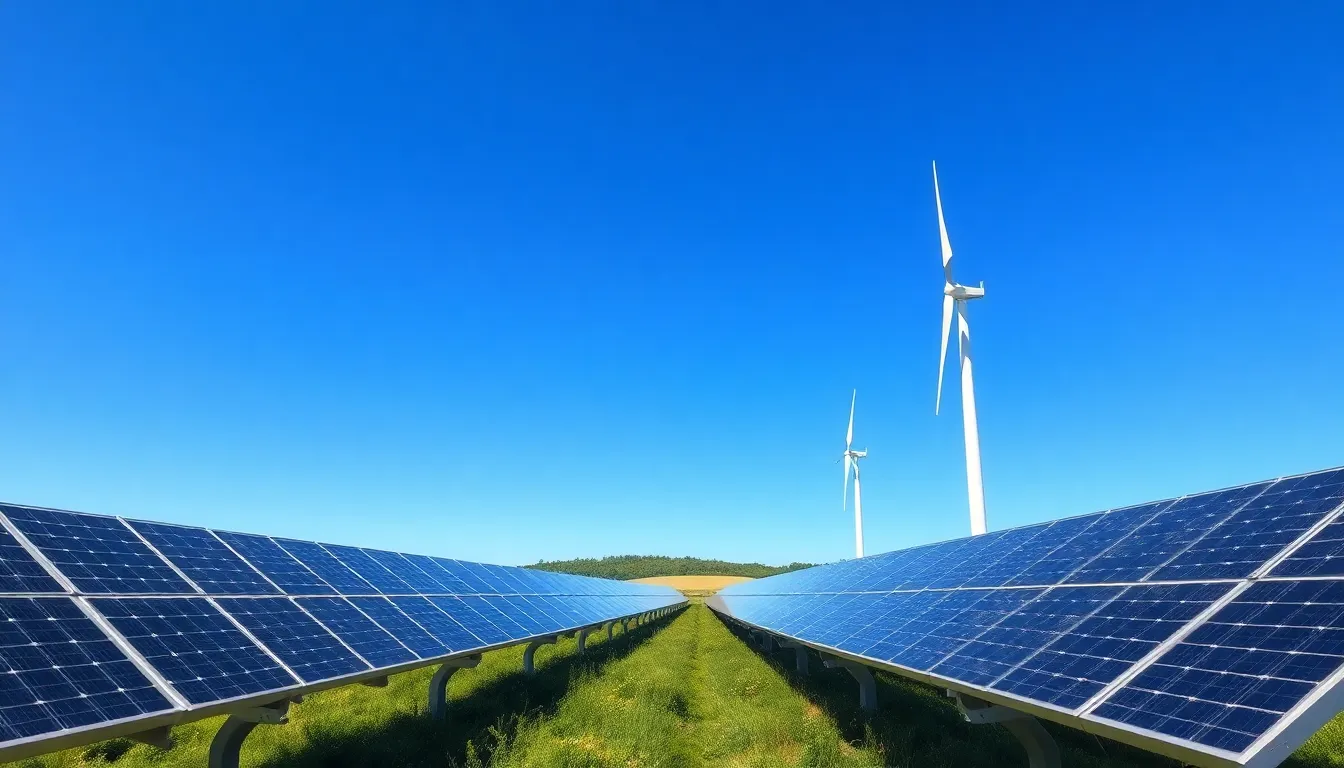
In a world where climate change feels like that one uninvited guest who just won’t leave, clean tech is here to save the day. Imagine harnessing the sun’s power while sipping your morning coffee or driving a car that runs on recycled candy wrappers. Okay, maybe not the candy wrappers part, but you get the idea. Clean tech isn’t just a buzzword; it’s the superhero we need, swooping in to save the environment one innovative solution at a time.
From solar panels that make your roof look like a chic energy hub to wind turbines that could double as modern art, clean tech is reshaping how we interact with our planet. It’s not just about saving the Earth; it’s about making sustainability stylish and accessible. So buckle up as we dive into the exciting world of clean tech and discover how it’s turning eco-friendly dreams into reality.
Clean Tech Environmental
Clean technology signifies a shift toward sustainable methods of generating energy and minimizing environmental impact. Solar power systems generate electricity through photovoltaic cells, changing sunlight directly into usable energy. Wind energy harnesses kinetic energy from moving air, leading to efficient electricity production without harmful emissions.
Innovative solutions arise from advancements in energy storage. Battery technologies now provide robust options for storing renewable energy, ensuring reliability and accessibility. Hydrogen fuel cells also contribute to clean energy, producing electricity through chemical reactions while emitting only water vapor.
Water purification technologies enhance access to safe drinking water. Techniques like reverse osmosis remove contaminants, ensuring safe consumption and promoting public health. Moreover, biodegradable materials reduce dependency on plastics, offering environmentally friendly alternatives for various applications.
Green transportation systems focus on reducing carbon footprints. Electric vehicles facilitate a cleaner transit option, lessening greenhouse gas emissions compared to traditional fossil fuel-powered vehicles. Public transit investments also drive down emissions by providing efficient alternatives to personal cars.
Smart grid technology boosts energy efficiency. These systems leverage digital communication to optimize energy distribution and usage. Consequently, smart meters inform consumers about their energy consumption patterns, leading to informed choices and reduced waste.
Overall, clean tech environmental advancements combine efficiency, innovation, and sustainability, directly addressing climate change challenges. Their continual development plays a fundamental role in creating a healthier, more sustainable future for all.
Key Technologies in Clean Tech
Clean tech encompasses a range of innovative technologies that promote sustainability and reduce environmental impact. Understanding these technologies highlights their significance in combating climate change.
Renewable Energy Sources
Solar power systems utilize photovoltaic cells to capture sunlight and convert it into usable electricity. Moreover, wind energy systems harness kinetic energy from wind through turbines, creating efficient power generation. Hydropower remains another crucial renewable source, using flowing water to generate electricity. Geothermal energy taps into Earth’s internal heat for heating and cooling, minimizing reliance on fossil fuels. Biomass technologies convert organic materials into energy, providing a viable alternative to traditional energy sources.
Energy Efficiency Solutions
Energy-efficient appliances reduce overall consumption while maintaining functionality. Smart home technologies optimize energy usage by allowing real-time monitoring and control of consumption patterns. LED lighting uses significantly less energy compared to traditional bulbs, extending their lifespan and further saving resources. Building insulation keeps homes and offices at optimal temperatures, decreasing the need for heating and cooling. Additionally, energy management systems provide insights into energy use, enabling informed decisions that enhance efficiency.
Environmental Impact of Clean Technologies
Clean technologies play a crucial role in reducing environmental harm. They contribute to a sustainable future by minimizing pollution and conserving resources.
Reduction of Carbon Footprint
Clean technologies significantly lower the carbon footprint of energy production. Solar panels convert sunlight into electricity, resulting in minimal greenhouse gas emissions. Electric vehicles offer a cleaner alternative to traditional gas-powered cars, producing zero tailpipe emissions. Renewable energy sources, including wind and hydropower, generate power without releasing carbon dioxide. Smart energy management systems further enhance efficiency by optimizing electricity usage, which directly contributes to reduced emissions. Data indicates that transitioning to clean technologies can decrease global carbon emissions by up to 70% by 2050.
Preservation of Natural Resources
Preserving natural resources is another key benefit of clean technologies. Sustainable practices in clean tech promote efficient energy use, which directly reduces the need for fossil fuels. Water purification technologies ensure safe drinking water while conserving vital freshwater resources. Biodegradable materials limit plastic waste, mitigating the impact on ecosystems. Additionally, renewable energy solutions minimize land degradation caused by fossil fuel extraction. Statistics reveal that the use of clean technology can reduce water consumption in energy production by 30%.
Challenges Facing Clean Tech Implementation
Implementing clean technology faces significant challenges that can hinder its rapid adoption. Among these issues, financial barriers and regulatory hurdles stand out.
Financial Barriers
Limited funding poses a significant challenge for clean tech initiatives. Investors often prioritize short-term returns over the long-term benefits of sustainability. High upfront costs of clean technology, such as solar panels and electric vehicles, can deter individuals and businesses from making the switch. Furthermore, access to incentives varies, making it difficult for some regions to attract investment. Innovative financing options, such as green bonds or public-private partnerships, provide potential solutions but require widespread implementation to make a meaningful impact.
Regulatory Hurdles
Navigating the regulatory landscape presents obstacles for clean tech development. Complex regulations can delay project approval and implementation, discouraging potential investors. Inconsistent policies across different jurisdictions create confusion for companies looking to expand their clean tech offerings. Additionally, existing regulations often favor traditional energy sources, hindering new entrants into the market. Streamlining regulations and creating standardized policies could foster a more favorable environment for clean technology growth and innovation.
Conclusion
The rise of clean technology is reshaping the landscape of environmental sustainability. By integrating stylish innovations with practical applications, clean tech proves that eco-friendliness doesn’t have to sacrifice aesthetics or functionality. As advancements continue to emerge, the potential for a greener future becomes increasingly tangible.
Overcoming financial and regulatory barriers will be essential for widespread adoption. With innovative financing solutions and clearer regulations, the path to embracing clean technology can become more accessible. This shift not only addresses pressing climate challenges but also paves the way for healthier communities and a thriving planet. The journey towards a sustainable future is underway and clean tech is leading the charge.