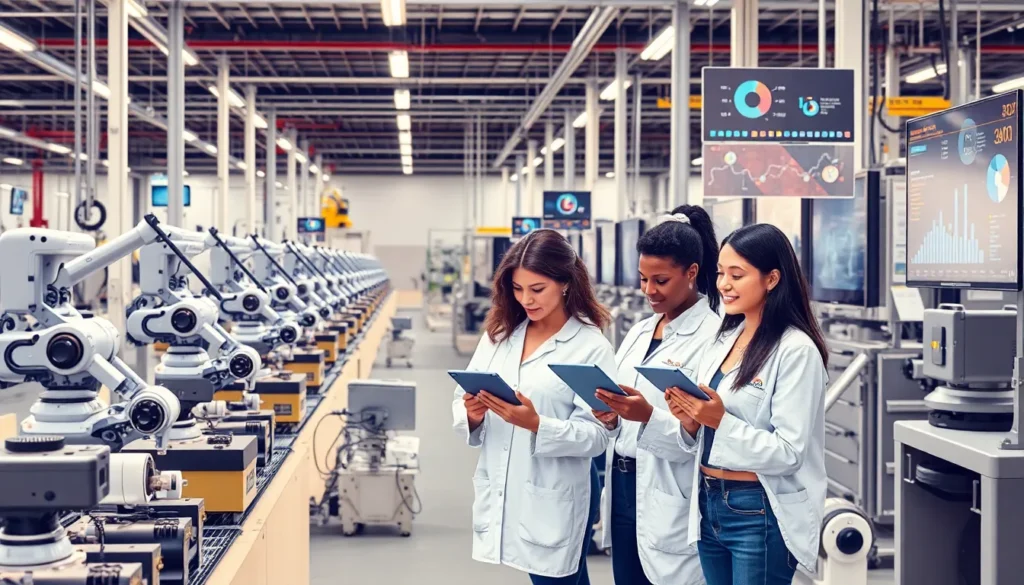
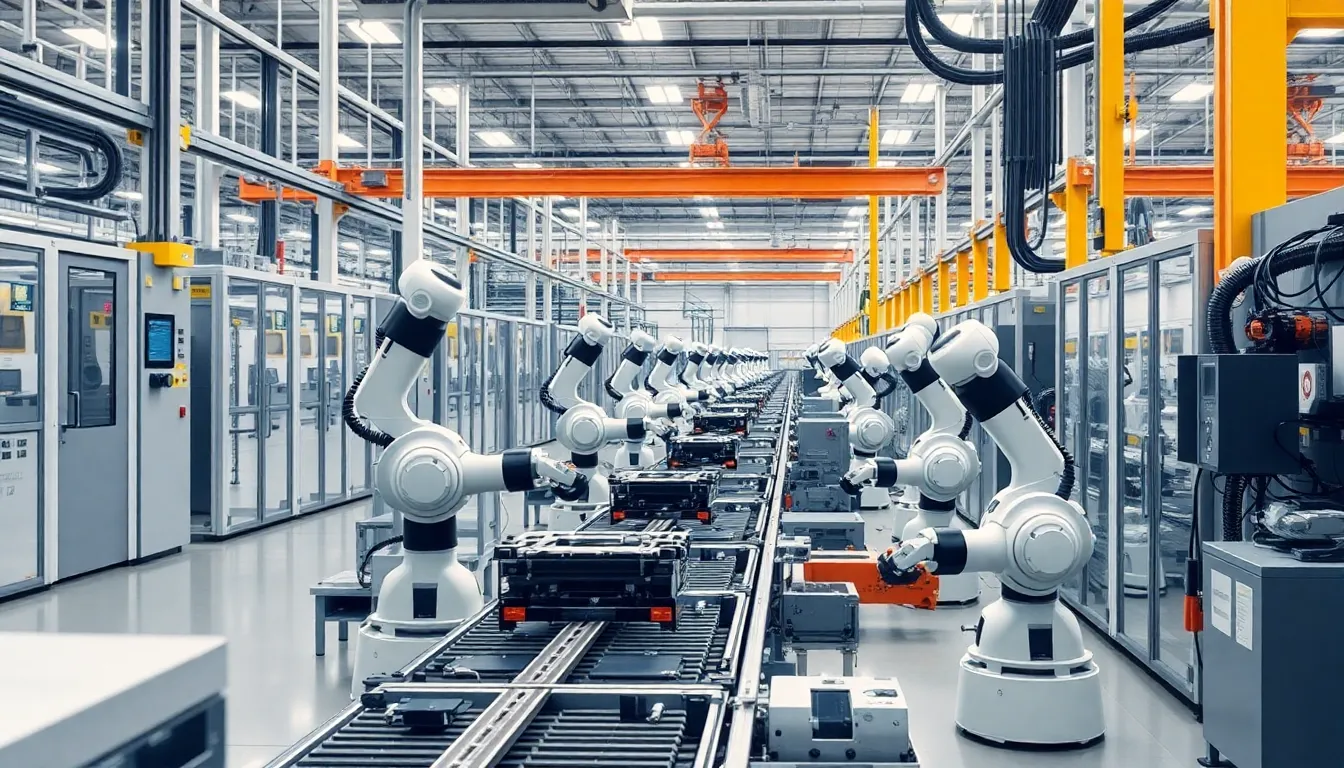
In a world where everything seems to be going digital, why should manufacturing be any different? Digital manufacturing solutions are revolutionizing the way products are designed, produced, and delivered. Imagine a factory floor where robots and software work together like a well-rehearsed dance team—no toe-stepping here! This tech-savvy approach not only boosts efficiency but also slashes costs and minimizes waste, making it a win-win for businesses and the planet.
Digital Manufacturing Solutions
Digital manufacturing solutions encompass a range of technologies that enhance and automate various processes in the manufacturing sector. These solutions integrate advanced software, robotics, and data analytics to improve manufacturing efficiency and flexibility.
Increased automation significantly impacts production lines. Robots handle repetitive tasks with precision, reducing human error and speed up output. Advanced software also plays a crucial role in managing production schedules, inventory, and quality control.
Cloud computing provides real-time access to data, enabling manufacturers to respond swiftly to changes in demand or production issues. Data analytics identifies patterns and bottlenecks, offering insights that drive informed decision-making. IoT devices connect machinery, facilitating communication between equipment and software systems.
Additive manufacturing, commonly known as 3D printing, allows for complex design capabilities and rapid prototyping. Manufacturers can create custom parts on demand, reducing material waste and lead times. This method fosters innovation by encouraging the testing of new concepts in a cost-effective manner.
Digital twins offer another fascinating aspect of digital manufacturing solutions. By simulating physical assets in a digital environment, manufacturers can test scenarios and optimize performance without disrupting actual production. This technology enhances predictive maintenance, reducing downtime and costs associated with equipment failures.
Ultimately, digital manufacturing solutions revolutionize the traditional manufacturing landscape. These technologies lead to increased productivity, reduced operational costs, and enhanced product quality, creating a highly efficient and sustainable manufacturing environment.
Benefits of Digital Manufacturing Solutions
Digital manufacturing solutions offer significant advantages in the manufacturing sector. These benefits include enhanced efficiency and cost reduction.
Enhanced Efficiency
Increased automation streamlines production lines. Robots handle repetitive tasks, improving speed and minimizing human error. Advanced software optimizes production schedules, controls inventory, and ensures quality, which leads to more efficient workflows. Real-time data access from cloud computing allows for quick responses to fluctuating demand. Additionally, Internet of Things devices connect machinery, creating a cohesive system that enhances communication and coordination. Overall, these technologies create an interconnected manufacturing environment that promotes better output and higher productivity.
Cost Reduction
Cost-saving opportunities arise from digital manufacturing solutions. Reduced labor costs occur as robots take over repetitive tasks. Efficient resource management, driven by advanced software, results in lower material waste and optimized inventory levels. Predictive analytics identifies operational bottlenecks, aiding in timely interventions that cut downtime and resource expenditure. Real-time monitoring of production processes aids in maintaining quality and minimizing defects, which reduces recall and rework expenses. Such strategic implementation of digital tools can lead to substantial overall savings for manufacturers.
Key Technologies in Digital Manufacturing
Digital manufacturing incorporates innovative technologies that enhance production processes and improve efficiency. Here are several key technologies shaping this landscape.
3D Printing
3D printing revolutionizes the production of complex geometries with rapid prototyping capabilities. Manufacturers use this technology to create custom parts on-demand, reducing the need for extensive inventory. This process speeds up the design-to-production cycle. Examples of industries benefitting include aerospace and healthcare, where tailored solutions lead to better performance. Additionally, 3D printing minimizes material waste, promoting sustainability.
IoT Integration
IoT integration connects machines and devices within manufacturing environments, creating smart factories. Real-time data collected from sensors enables predictive maintenance and reduces downtime. Manufacturers gain insights into machine performance, leading to more efficient operations. Devices communicate seamlessly, enhancing supply chain management and inventory control. Companies can promptly respond to changing market demands through real-time information flow. This interconnectedness fosters collaboration across processes.
Artificial Intelligence
Artificial intelligence optimizes various manufacturing operations, from quality control to supply chain management. Algorithms analyze vast amounts of data, identifying trends and inefficiencies. Companies utilize AI for predictive analytics, anticipating equipment failures before they occur. This proactive approach reduces unexpected downtime and maintenance costs. Enhanced decision-making emerges from AI-driven insights, allowing manufacturers to adapt quickly to market trends. Ultimately, AI transforms workflows, driving significant performance improvements.
Challenges and Considerations
Digital manufacturing solutions bring numerous benefits but also present challenges requiring careful consideration.
Implementation Barriers
Adoption of digital manufacturing solutions often encounters hurdles related to existing infrastructure. Many organizations face difficulty integrating new technologies with legacy systems. Employee training plays a crucial role; without proper skills, staff may struggle to adapt. Significant investment in technology poses financial challenges, particularly for small manufacturers. Concerns about data security arise, as increased connectivity can expose sensitive information. Addressing these barriers involves strategic planning and a willingness to invest in both technology and human resources.
Scalability Issues
Scaling digital solutions can prove complex for manufacturers as operations grow. Adaptability of technologies becomes essential, as solutions must align with evolving production needs. Increased demand might strain resources if not managed dynamically. Businesses often find that customized solutions are necessary, but this can complicate expansion efforts. Coordination between various digital systems can lead to inefficiencies without proper oversight. Prioritizing scalability from the outset enables manufacturers to manage growth effectively while maintaining operational efficiency.
Future Trends in Digital Manufacturing Solutions
Emerging trends in digital manufacturing solutions emphasize the importance of adaptive technologies. Additive manufacturing, known as 3D printing, continues to gain traction, offering unprecedented flexibility in design and production. Increased utilization of IoT devices leads to smarter factories where machines communicate for improved efficiency. Integration of artificial intelligence enhances operations through real-time data analysis, enabling predictive maintenance and optimized decision-making.
Enhanced automation remains a focal point, allowing robots to take over routine tasks. Such advancements free up human workers for high-value responsibilities, fostering a more innovative work environment. Data analytics tools play a crucial role in identifying inefficiencies and streamlining workflows. By leveraging these insights, manufacturers can better respond to market demand and improve overall productivity.
Sustainability trends also influence digital manufacturing solutions. Renewable energy integration and waste reduction methods gain attention as manufacturers strive for greener operations. Adoption of circular economy principles supports the creation of closed-loop systems that minimize resource consumption.
Furthermore, cybersecurity has become a priority as manufacturers adopt more connected technologies. Ensuring data integrity and securing sensitive information against threats is essential for maintaining trust and operational stability. As companies transition to more digital environments, integrating robust cybersecurity measures into their strategies is critical.
Finally, industry collaboration is on the rise. Partnerships between manufacturers, technology providers, and research institutions foster innovation and accelerate the development of cutting-edge solutions. This collaborative approach enables manufacturers to adapt quickly to changing market conditions while staying competitive in an evolving landscape.
Conclusion
Digital manufacturing solutions are reshaping the industry by driving efficiency and sustainability. As manufacturers embrace automation and advanced technologies, they position themselves for success in a competitive landscape. The integration of IoT, AI, and 3D printing not only enhances production capabilities but also promotes innovative practices that reduce waste and operational costs.
While challenges exist, strategic planning and investment can pave the way for smoother implementation. The future looks promising as these technologies evolve, leading to smarter factories and more adaptive manufacturing processes. By prioritizing collaboration and cybersecurity, companies can ensure they remain at the forefront of this digital transformation, ultimately benefiting both their operations and the environment.