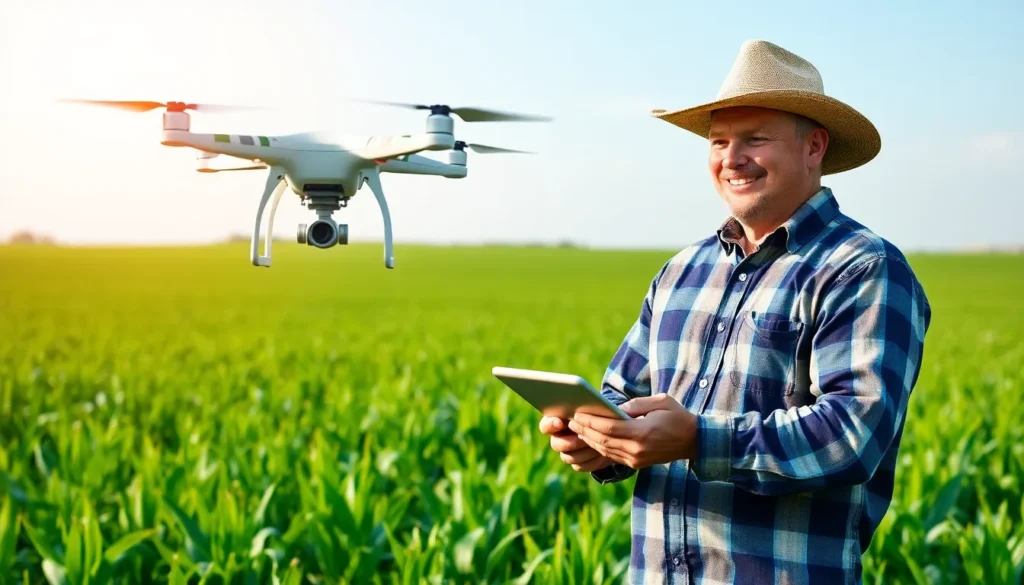
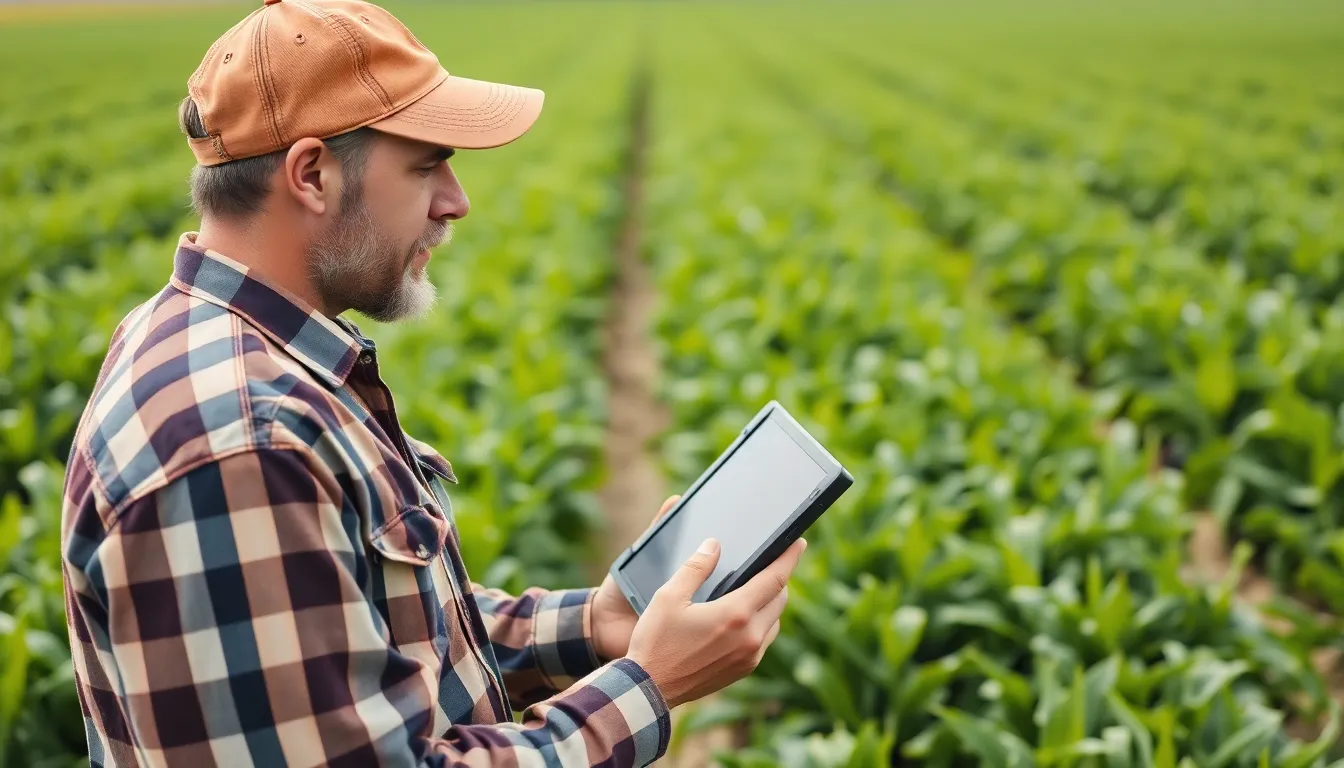
In a world where even your refrigerator can send you a text, why should farming be stuck in the past? Digital farming solutions are revolutionizing agriculture, turning traditional practices into high-tech marvels. Think of it as giving farmers a superhero cape—equipped with data analytics, precision tools, and smart sensors that make growing crops more efficient than ever.
Digital Farming Solutions
Digital farming solutions revolutionize agriculture by integrating technology into traditional practices. These solutions help farmers boost productivity and make informed decisions based on real-time data. Smart sensors play a crucial role in monitoring soil conditions, crop health, and weather patterns.
Data analytics enables farmers to identify trends and outcomes for various crops. Precision agriculture tools assist in optimizing resource use, thereby reducing waste and enhancing sustainability. Drones provide aerial imagery that aids in crop monitoring and scouting, allowing for quicker responses to emerging issues.
Cloud-based platforms store and analyze large volumes of agricultural data, improving accessibility. Mobile applications facilitate on-the-go management, enabling farmers to track and manage operations from anywhere. Increased connectivity fosters collaboration among farmers, agronomists, and agricultural service providers.
Remote sensing technologies help farmers assess overall crop health using satellite imagery. By implementing these advanced solutions, farmers can tailor their strategies to specific field conditions. Automated machinery enhances efficiency by performing tasks such as planting, irrigation, and harvesting with minimal human intervention.
Digital farming solutions empower farmers with the tools necessary to thrive in a rapidly evolving industry. Embracing these technologies leads to higher yields and sustainable practices that benefit both farmers and the environment.
Key Technologies in Digital Farming
Digital farming relies heavily on advanced technologies that enhance agricultural practices and improve efficiency. Key innovations drive productivity and support data-driven decisions.
Precision Agriculture
Precision agriculture revolutionizes crop management by using technology to apply resources more efficiently. This method allows farmers to tailor inputs such as fertilizers and water according to specific needs within a field. GPS-guided equipment and detailed maps facilitate targeted applications. By analyzing yield data, farmers identify high- and low-performing areas, optimizing their management strategies. Historical and real-time data inform decisions, significantly increasing crop yield and reducing waste. Techniques such as variable rate technology ensure that not all parts of a field receive the same treatment. With this approach, agriculture becomes more sustainable while meeting growing global food demands.
IoT and Smart Sensors
IoT and smart sensors play a critical role in digital farming, offering real-time monitoring of field conditions. These devices gather data on soil moisture, temperature, and nutrient levels, providing immediate insights into crop health. Farmers can track environmental variables that impact growth cycles. Integration with mobile applications allows remote access to data, improving decision-making. For instance, sensors trigger irrigation systems only when necessary, conserving water. IoT connectivity facilitates seamless communication among various agricultural tools and machinery, enhancing operational efficiency. Adopting these technologies helps farmers maintain optimal growing conditions and supports sustainable agricultural practices.
Benefits of Digital Farming Solutions
Digital farming solutions offer numerous advantages that significantly enhance agricultural practices.
Increased Efficiency
Digital farming tools streamline operations, promoting better use of resources. Smart sensors provide real-time data, allowing farmers to monitor field conditions continuously. Drones assist in crop surveillance, identifying issues that may require immediate attention. Automated machinery reduces manual labor, making planting and harvesting more efficient. Data analytics enables farmers to predict yields accurately, enhancing planning and management. Farmers experience faster decision-making, which leads to timely interventions and increased productivity. By integrating these technologies, farmers can maximize output while minimizing input costs and time.
Sustainable Practices
Sustainability becomes easier with digital farming techniques. Precision agriculture tailors resource application, ensuring that water and fertilizers are used efficiently. Data-driven insights help farmers identify optimal planting and harvesting times, reducing waste. Drones and remote sensing technologies allow for effective monitoring of crop health, reducing the need for harmful pesticides. Cloud-based platforms facilitate better management of agricultural data, improving decision-making for eco-friendly practices. Enhanced efficiency results in less environmental impact, supporting sustainable farming efforts. With these advancements, farmers contribute positively to the ecosystem while maintaining or increasing productivity.
Challenges in Implementing Digital Farming
Implementing digital farming solutions presents several challenges that farmers must navigate for successful adoption.
Cost Considerations
Initial investments in digital technologies can be significant. Farmers often face high costs for hardware, software, and training. Depending on the system, expenses may exceed $10,000, discouraging small-scale farmers. Budget constraints may limit access to advanced technologies, impacting operational efficiency. Long-term return on investment must be carefully evaluated, as technology adoption may take years to yield financial benefits. Financial support from government programs or agricultural organizations can ease these burdens.
Technical Barriers
Adopting new technologies poses technical challenges for many farmers. Lack of digital literacy often prevents effective use of advanced farming tools. Training programs play a crucial role in ensuring farmers understand how to implement digital solutions. Data integration issues also arise, with various devices and platforms generating incompatible information. Interoperability among existing and new technologies remains a concern. Additionally, reliable internet access in rural areas presents significant hurdles, hindering real-time data utilization for successful farming operations.
Future Trends in Digital Farming Solutions
Emerging trends in digital farming solutions indicate a shift towards increased automation and integration of artificial intelligence. AI-powered tools analyze vast datasets to deliver precise recommendations for crop management. Technologies like machine learning enhance predictive analytics, enabling farmers to optimize yields effectively.
Another anticipated trend includes the greater use of robotics in agriculture. Automated machinery supports tasks such as planting, weeding, and harvesting, allowing for higher efficiency and reduced labor costs. This shift brings significant changes to workflow, directly impacting productivity levels.
Sustainability continues to be a primary focus for future developments. Innovations in sensor technology will enhance environmental monitoring, ensuring minimal resource waste. Systems that integrate renewable energy sources with farming practices offer paths towards reducing the carbon footprint in agriculture.
Adoption of blockchain technology will increase transparency in supply chains. Smart contracts facilitate secure transactions, fostering trust between producers and consumers. Improved traceability ensures food safety and enhances market access for farmers.
Cloud-based analytics will maintain relevance in analyzing agricultural data. Greater data interoperability enables farmers to collaborate with agronomists and scientists seamlessly. User-friendly mobile applications simplify on-the-go management, making data more accessible than ever.
Investment in educational initiatives will become essential for fostering digital literacy among farmers. Training programs tailored to address technical barriers empower farmers to utilize advanced technologies successfully. Government and agricultural organizations play critical roles in providing this support.
As the agricultural landscape evolves, embracing digital solutions becomes vital for competitiveness and sustainability. The synergy between emerging technologies and traditional farming practices signals a promising future for agriculture.
Conclusion
Digital farming solutions are reshaping agriculture by empowering farmers with innovative tools and data-driven insights. This transformation not only boosts productivity but also promotes sustainability, allowing for a more efficient use of resources. As technology continues to evolve, the integration of AI and automation will further enhance farming practices.
While challenges remain, such as initial costs and access to digital literacy, the potential benefits outweigh these obstacles. By investing in training and support, farmers can navigate the digital landscape effectively. Embracing these advancements is crucial for meeting the demands of a growing population while ensuring environmental stewardship. The future of agriculture looks bright with digital farming solutions leading the way.