

In a world where Mother Nature sometimes feels like she’s on a rollercoaster of emotions, environmental service tech swoops in like a superhero in a green cape. These unsung heroes tackle everything from waste management to air quality, ensuring our planet doesn’t throw a tantrum. With the rise of eco-consciousness, businesses and communities are turning to tech solutions that not only save the Earth but also save some serious cash.
Environmental Service Tech
Environmental service technology encompasses innovative solutions aimed at tackling ecological challenges, including waste management and air quality control. Many companies implement these technologies to align with growing eco-consciousness among consumers. Waste management systems utilize advanced sensors and software to streamline collection processes, contributing to reduced operational costs.
Air quality monitoring devices play a critical role in detecting pollutants, ensuring compliance with environmental regulations. These technologies not only help organizations meet compliance standards but also improve public health outcomes. Smart technologies combined with sustainability initiatives foster a greener future.
Data analytics enhances decision-making by identifying patterns in environmental data. Businesses leverage these insights to optimize resource use and minimize their carbon footprint. Collaborative efforts between tech providers and environmental organizations drive progress in sustainable practices.
Energy-efficient solutions, such as renewable energy systems, further exemplify the benefits of environmental service tech. Investing in solar panels or wind turbines reduces dependence on fossil fuels, contributing to a cleaner atmosphere. Additionally, these systems often generate significant cost savings over time.
Ultimately, environmental service technology represents a vital component in the ongoing effort to maintain ecological balance. As awareness of environmental issues continues to rise, embracing these advanced solutions offers a pathway toward a sustainable and economically beneficial future.
Key Technologies in Environmental Services
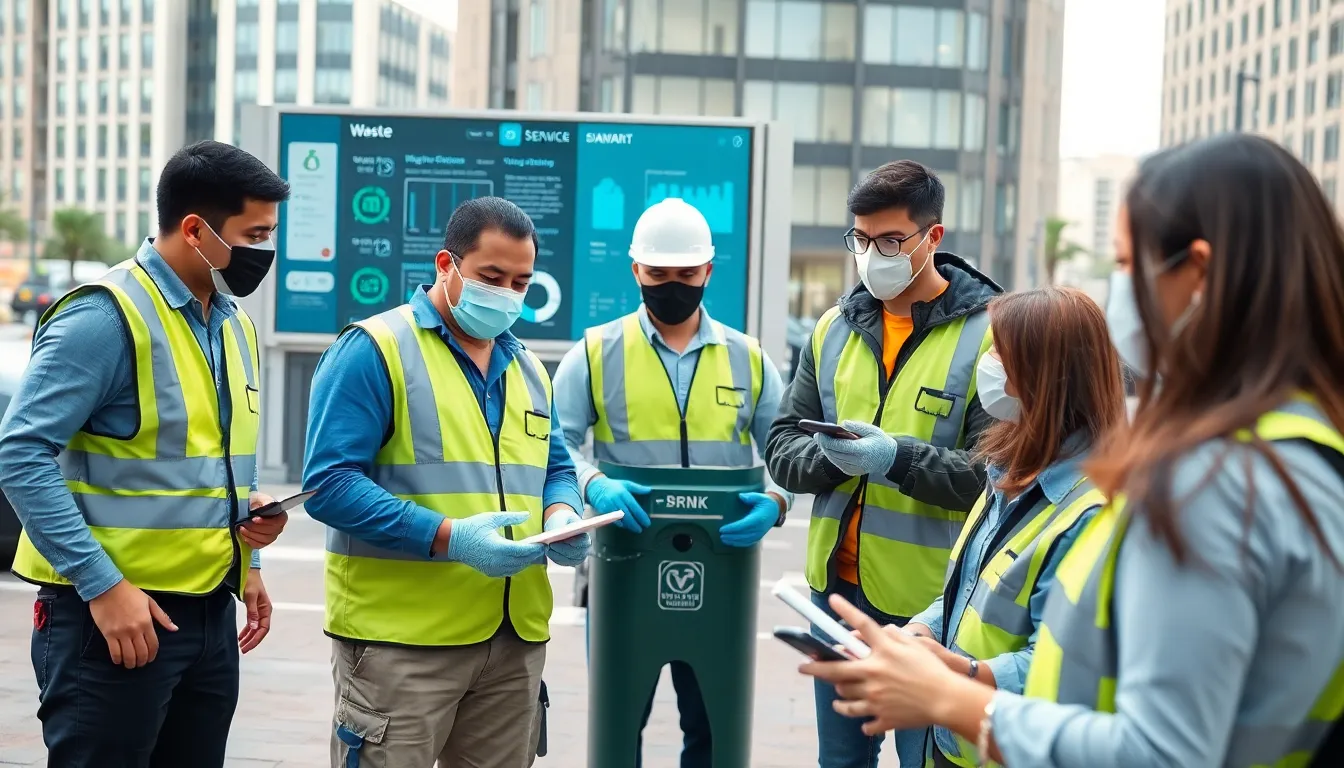
Environmental service technologies play a vital role in tackling ecological issues, providing innovative solutions across various sectors. Key advancements focus on optimizing waste management, improving water treatment, and harnessing renewable energy.
Waste Management Solutions
Smart waste management systems utilize advanced sensors and software to monitor waste levels in real-time. These systems facilitate efficient collection routes, reducing operational costs by up to 30%. Automated sorting technologies enhance recycling processes, ensuring higher material recovery rates. Mobile applications provide users with detailed waste disposal instructions, promoting community engagement and encouraging responsible waste practices. Overall, these solutions not only streamline waste operations but also contribute to substantial environmental benefits.
Water Treatment Innovations
Innovative water treatment technologies improve purification and filtration processes. Membrane filtration systems enhance the removal of contaminants, ensuring safe drinking water. Advanced oxidation processes utilize ozone or UV light, effectively degrading hazardous pollutants. Real-time water quality monitoring systems help detect changes in chemical composition, enabling prompt responses and compliance with regulations. By adopting these technologies, municipalities can enhance public health while reducing operational expenditure.
Renewable Energy Technologies
Renewable energy solutions focus on harnessing natural resources for sustainable power generation. Solar panels and wind turbines provide clean energy options that significantly reduce reliance on fossil fuels. Energy storage systems, such as batteries, facilitate the efficient use of renewable sources, maximizing energy availability. In addition, smart grids optimize the distribution of electricity, enhancing system reliability and efficiency. Committing to these technologies not only benefits the environment but also fosters economic growth through job creation and reduced energy costs.
Benefits of Environmental Service Tech
Environmental service technology offers significant benefits, impacting both nature and the economy. These technologies play a pivotal role in enhancing sustainability and ensuring compliance with environmental standards.
Environmental Impact
Enhanced air quality monitoring devices actively identify pollutants, improving public health. Effective waste management systems utilize real-time data, preventing overflow and promoting recycling. Water treatment innovations, like advanced filtration systems, ensure potable water and protect ecosystems. Reduced carbon footprints emerge from implementing renewable energy solutions, fostering a healthier planet. The integration of data analytics identifies trends, facilitating proactive measures against environmental degradation. Collaborative efforts between tech providers and environmental organizations result in innovative solutions that address climate change and biodiversity loss.
Economic Advantages
Operational efficiency boosts with smart waste management, demonstrating cost reductions of up to 30%. Energy savings increase through solar panels and wind turbines, driving long-term financial benefits. Job creation follows as new technologies expand industries focused on ecological solutions. Compliance with environmental regulations prevents costly fines, protecting businesses from financial setbacks. Sustainable practices enhance brand reputation, opening doors to new markets eager for eco-friendly products. Overall, investing in environmental service technology proves beneficial for both financial health and ecological responsibility.
Challenges Facing Environmental Service Tech
Environmental service technology encounters several challenges that hinder its progress. Addressing these obstacles requires innovative thinking and collaboration across sectors.
Regulatory Hurdles
Compliance with environmental regulations remains a significant challenge. Local, state, and national standards often vary, creating confusion for businesses. Businesses face difficulties navigating complex frameworks when implementing new technologies. Additionally, meeting stringent requirements can slow down the deployment of effective solutions. Frequent changes in legislation further complicate compliance efforts, forcing companies to adapt quickly. Regulatory bodies may lack clear guidelines for emerging technologies, ultimately stifling innovation. Increased transparency in regulatory processes can enhance collaboration and drive technology advancement.
Technological Limitations
Technological limitations present another barrier to effective environmental service tech. Current systems may struggle with integration across various platforms, creating data silos. Data sharing between devices and software can be inconsistent, limiting overall effectiveness. Additionally, outdated infrastructure in some regions hampers the adoption of advanced solutions. High costs associated with upgrading technology deter smaller businesses from investing in modern systems. Skill gaps in the workforce also impede the effective implementation of cutting-edge technologies. Companies must prioritize ongoing training and development to bridge these gaps, ensuring their teams can fully utilize new tools.
Future Trends in Environmental Service Tech
Environmental service technology continues to evolve, with several key trends emerging as pivotal for the future. Innovations in this area enhance efficiency and sustainability, addressing pressing ecological challenges.
Emerging Innovations
Advanced sensor technology revolutionizes waste management systems, enabling real-time monitoring and significantly reducing operational costs. Artificial intelligence optimizes resource allocation, enhancing the decision-making process regarding environmental impacts. Furthermore, new water treatment solutions, like advanced oxidation processes, ensure high-quality potable water while minimizing chemical use. Businesses increasingly adopt renewable energy solutions that leverage smart grid technologies, facilitating seamless integration and improved energy efficiency. The marriage of IoT with data analytics propels predictive maintenance capabilities, enhancing system reliability across various sectors.
Market Predictions
The environmental service tech market is poised for substantial growth, with projections estimating a 12% annual increase through 2026. Anticipated advancements in artificial intelligence and machine learning fuel this growth, enabling enhanced analytical capabilities. Companies are likely to invest heavily in innovative waste management solutions, including portable toilets rental services, driven by the rising demand for sustainable practices. Regulatory shifts towards stringent environmental standards will further push businesses to adopt these technologies. Adoption rates for air quality monitoring systems are expected to rise, reflecting increasing public health concerns. Overall, these market dynamics indicate a robust future for environmental service technology.
Conclusion
Environmental service technology stands at the forefront of the movement toward a sustainable future. Its innovative solutions not only address pressing ecological issues but also drive economic benefits for businesses and communities alike. As advancements continue to shape this field, the integration of smart systems and data analytics will further enhance efficiency and effectiveness.
The commitment to these technologies reflects a growing awareness of the importance of environmental stewardship. By embracing these innovations, organizations can play a pivotal role in fostering a healthier planet while reaping significant financial rewards. The future of environmental service tech is bright, promising a harmonious balance between ecological preservation and economic growth.